Reading Group Guide


Discussion Questions
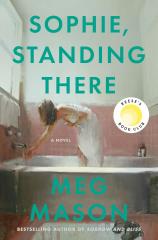
Sophie, Standing There


1. Why do you think Meg Mason chose to include 10 real authors, such as George Saunders, Ann Patchett and Bonnie Garmus, in SOPHIE, STANDING THERE? How would the novel have been different without them?
2. Sophie is naturally cheerful, optimistic and kind. Do you think the author was reacting against the sad girl trend in fiction, which Sophie herself addresses in the novel?
3. A parasocial relationship is “a connection that someone feels between themselves and a famous person they do not know.” Although the term “parasocial” carries a certain edge, is there an extent to which an imagined connection between readers and authors is normal and could be, at times, beneficial?
4. Sophie’s brother, Laurie, and best friend, Emma, have a constant presence through the novel, but we never actually meet them in the flesh until the very end. Why do you think the author made that decision? What effect does it have?
5. Although the novel reads in the third-person point of view, the action is filtered through Sophie’s consciousness, using a narrative style called skaz, which aims to mimic everyday speech, the rhythms, idioms and unpolished phrasing of, traditionally, a character of lesser education. How does this show itself in the text? Does it give us a clearer sense of Sophie’s character?
6. How would the novel have differed with an omniscient narrator, giving insight into Lilac’s interior thinking as well as Sophie’s?
7. The specific nature of Sophie’s childhood is revealed late in the novel, although there are hints throughout. How do you see her sect background influencing her behavior and decisions as an adult?
8. Sophie and the booksellers, Rob and Cass, adore Lilac Dunne’s work, but other characters such as Emma and Jo aren’t convinced, and as readers, we’re given only a few sample lines of a Lilac Dunne novel. Is it possible that Lilac Dunne’s novels aren’t as good as Sophie believes them to be?
9. In your opinion, what are Lilac’s motivations for spending so much time with Sophie?
10. Do you think it’s possible as a reader to still enjoy the novels of an author with a famously complex private life or a negative public image?
11. Sophie makes three visits to Rob and Cass in the novel. What is the importance of the bookshop to her?
12. The final chapter of the novel breaks the fourth wall. Why did the author decide to end the novel by talking directly to the reader and, finally, “you”?


Sophie, Standing There
- Publication Date: September 29, 2026
- Genres: Fiction, Women's Fiction
- Hardcover: 352 pages
- Publisher: Harper
- ISBN-10: 0063493136
- ISBN-13: 9780063493131