Reading Group Guide


Discussion Questions
The Tide Comes Around
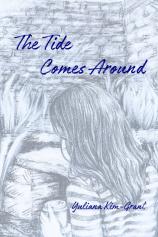


1. A little trivia giveaway. THE TIDE COMES AROUND was not the original concept for the title of the novel but the eventual one of several alternative ideas that both the author and publisher immediately took hold of with enthusiasm. The story, of course, begins and then ends echoing the image of water as a sort of bookending technique. After finishing this book, how does the title evoke your clearer understanding of its place in what is being captured?
2. The novel opens with a quote from Joan Didion that precedes the Prologue. Then, at the middle point of the story, there is the inclusion of a Frank O’Hara quote that precedes Chapter 11. What differing or similar tones do you believe the addition of words from these other writers contribute to the reader’s journey turning these pages?
3. Geographic locations play a key part in the central character Penelope’s discoveries on many levels. About the world she lives in, the people she is surrounded by, and, most importantly, herself. As the central character telling her own story, she is not always the same person in different places. How do you see the various locations working together to add dimension to how we universally make our way in the current world through Penelope’s perspective?
4. Penelope’s name doesn’t appear for a few pages in as the novel gets underway. Names often evoke a sense of both personal and external identity. This is, of course, a first-person narrative, but how did you feel about the central character’s name being gently withheld for just a bit at first as we start to get to know her?
5. While this is a longer tale in the end with a cohesive arch, it is pocketed with moments and even chapters that can possibly be read on their own. Now that you have finished the book in its entirety and are familiar with the content, which parts, if any, might you feel compelled to turn back to in an isolated short read that feels contained enough for you to find maybe a shorter, different experience with?
6. The balance between friendship and family life can be celebrated in the book but can also become complicated and murky at times with how the characters relate to each other or at times have trouble doing that. These are, of course, modern people navigating a modern world, at times one that is quite different from the one they were raised in. Did you grapple with this as a reader just as the characters must, or were you able to release yourself to the author’s presentation of it?
7. We spend a lot of time on this planet in our work lives. All occupational circumstances are different for each of us, just like the author’s characters. What were both general and perhaps specific responses you had when discovering the financial realities of the various characters and the part that plays in their choices? Is the author making subtle class commentary or trusting the reader to come to their own conclusions?
8. Nobody can truly know the exact inner life of another person or is in the room during difficult or even joyous private moments of others’ lives. Are there moments in the book when you pulled back and thought that a character was unfairly judging another character? Likewise, were there other parts where you felt it was necessary for a character to hear something, maybe even a little unpleasant truth, from somebody they deeply love and respect? Which times, if any?
9. The debate between want and need comes up frequently in the novel. Yet the author tends to allow the reader to come to their own observational insights about the people who populate these pages with their fictional yet true-to-life experiences of that dilemma. Were you comfortable and appreciative of being given the chance to draw your own conclusions about them, or were there instances where you felt the author might have given you a little more direction about people's intentions and dilemmas when it comes to this difficult reality?
10. There is a generational quality about the environments of the book and the central characters that inhabit them. There have been several works of fiction in the recent past that look back with some nostalgia about this somewhat transitional American generation and their struggles and successes. Yet, THE TIDE COMES AROUND chooses to focus on where the characters are coming from but, more importantly, their current stages in life. Did this appeal to you, or were you looking for more of their previous lives to be revealed?
11. The passage of time is a major component of the novel. Children grow up, family dynamics change or simply stay the same as they always were, and deep friendships have their ups and downs even if genuine care remains. Some in this story are still trying to find the starting point of adulthood while already well into it, others have discovered that place, and then there are some looking for that finish line of adulthood that brings content or even an acceptance of it. How do you see the author juggling this component?
12. Ethnic backgrounds, blended families, people from different socioeconomic classes and such are not avoided in the presentation of these pages. The traditional in us at times meets up with or even calls into question the embraced nontraditional. The author never avoids these realities of our modern era. Yet, in some ways, they are on the back burner in sections, and more universal truths affecting everyone from many different walks of life are placed at the forefront. How did you respond to this balancing choice? Are the characters avoiding where they come from or simply finding the path to coming to terms with who they have grown to be? Did you sense any stereotyped depictions that you were either okay with or perhaps raised questions for you?
13. The novel combines lucid moments of the personal but also vivid depictions of the communal. What sections or situations or characters give you that sense? Which did you perhaps personally identify with, and which gave you something to contemplate to try to understand where somebody else might be coming from that has not had your own experiences? Emotionally, fundamentally, necessary compromises, etc.?
14. Penelope’s journey can be looked at as a collision of her past with the present self she finds herself in and reconciling those two realities. However, the reader is respected to imagine what Penelope’s future might hold for her to embrace or even just ponder with a newfound self-awareness championed by self-acceptance of who she was, who she became, and who she is looking to become for not only herself but others. Based on these pages, what do you imagine Penelope’s life might become, or what do you hope for her after this particular time she is going through? Are these different, or can they coincide?
15. Actions and words matter in this novel, mimicking our tangible real world beyond a fictional one. Were there moments when you took a deep sigh, knowing things were not right with what was happening, but could accept that there are times to let things go and with a bit of courage find the doorway to forgiveness? Or were there times when you told yourself that reconciliation, even if not spoken, was just not possible for you as a reader. We all come to reading the book from our own experiences, so each person might have very different feelings about this part of the tale the author is asking the reader to be an active participant in.
16. Parenting or pitching in with parenting or not parenting or having no children at all comes up in Penelope’s journey with herself and those she surrounds herself with and the environments that influence those things. What would you say was your comfort level in the inclusion of this everyday reality different people grapple with in different ways?
17. While not an overtly political book, the novel contains quite strong depictions of cultural and personal interactions that have their own political social ground rules and dimensions, at many times broken. Was this difficult to absorb in these pages, or is the author challenging readers to potentially release themselves to it and accept these things for this particular story?
18. Penelope is not always the same person when around different kinds of people that populate or even control her life. All the way from gender to age to close or just professional interactions. Is this part of her discovery of who she is striving to become being on her own terms refreshing, or is it echoing something that is simply a fact of life we all must grapple with and even embrace but inherently already know?
19. Penelope’s relationships and interactions with other women are a combination of love, affection and adoration, and yet also possessing frustration, anger and even a bit of betrayed feelings. The author has stated that this was not a monumental or intentional inclusion in the writing process, but it is inevitably there in the story and she acknowledges it. What are your own interpretations of how women interact with each other in the novel?
20. There are a variety of male figures that influence Penelope’s choices and outlook on things. What were your feelings as you read concerning the inclusion of the male characters and their place in how things unfold?
21. MEW/EMW Productions is dedicated to presenting literature with a cinematic quality. Why do you believe the publisher chose THE TIDE COMES AROUND as its flagship debut release when considering this? What elements of the novel don’t just suck the reader into the story but also jump off the pages that provide an equally visual type of reading experience where you can see it and just know the author is going for the heart of how we see ourselves, each other, and the world we are given, for better or worse?


The Tide Comes Around
- Publication Date: December 24, 2025
- Genres: Fiction, Women's Fiction
- Paperback: 221 pages
- Publisher: MEW/EMW Productions
- ISBN-10: N/A
- ISBN-13: 9798279452071