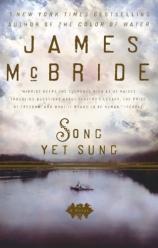
Song Yet Sung
by James McBride
List Price: $15.95
Pages: 368
Format: Paperback
ISBN: 9781594483509
Publisher: Riverhead
From the New York Times-bestselling author of The Color of Water comes a powerful page-turner about a runaway slave and a determined slave catcher.
Nowhere has the drama of American slavery played itself out with more tension than in the dripping swamps of Maryland's eastern shore, where abolitionists such as Frederick Douglass and Harriet Tubman, born less than thirty miles apart, faced off against nefarious slave traders in a catch-me-if-you-can game that fueled fear and brought economic hardship to both white and black families. Trapped in the middle were the watermen, a group of America's most original and colorful pioneers, poor oystermen who often found themselves caught between the needs of rich plantation owners and the roaring Chesapeake, which often claimed their lives.
The powerful web of relationships in a small Chesapeake Bay town collapses as two souls face off in a gripping page-turner. Liz Spocott, a young runaway who has odd dreams about the future of the colored race, mistakenly inspires a breakout from the prison attic of a notorious slave thief named Patty Cannon. As Cannon stokes revenge, Liz flees into the nefarious world of the underground railroad with its double meanings and unspoken clues to freedom known to the slaves of Dorchester County as "The Code." Denwood Long, a troubled slave catcher and eastern shore waterman, is coaxed out of retirement to break "The Code" and track down Liz.
Filled with rich history --- much of the story is drawn from historical events --- and told in McBride's signature lyrical storytelling style, Song Yet Sung brings into full view a world long misunderstood in American fiction: how slavery worked, and the haunting, moral choices that lived beneath the surface, pressing both whites and blacks to search for relief in a world where both seemed to lose their moral compass. This is a story of tragic triumph, violent decisions, and unexpected kindness.
top of the page

1. When we first meet Liz, she is on the run from her master. Yet throughout the book she refuses offers of passage to the North, saying “I’m free here.” What do you think Liz’s plan was when she first ran away? If she was planning to go North, what changed her mind? Or did she simply wish to die in the wilds of Maryland?
2. Discuss the author’s use of language. How does he evoke the speech patterns of an earlier era? What techniques does he use to bring the rural Maryland eastern shore to life?
3. Although he is a notorious slave catcher, Denwood Long – “the Gimp” – commands a degree of respect even from those he has caught. But he himself claims, “I’m going to hell in spite of redemption.” Based on his actions in the book, do you think he is worthy of respect? Do you find him sympathetic? Do you think he has found any measure of redemption by the end of the story?
4. Late in the book, it becomes clear that the singer of the “song yet sung” is Martin Luther King. Given that Liz’s nightmare vision of tomorrow, with its evocation of rap music and gang culture, clearly postdates King, why do you think the author chose him to fill this role?
5. Discuss the death of the Woolman. What motivates Liz to kill him? Is it an act of mercy? Do you think she has any thought of saving the Gimp? If so, why?
6. Amber believes that “Some [people] is up to the job of being decent, and some ain’t.” What do you think of this assessment? Is decency an inherent trait, or is it a conscious choice? Based on the characters and events in this book, what do you think the author’s answer to this question would be?
7. Throughout the book, Liz becomes more and more attuned to the world around her: “a kind of clarity seemed to settle upon her… at times she felt so sensitive to the elements about her, she felt as if her skin were ready to fly off her body.” What is the connection, if any, between this growing sensitivity and Liz’s visions of the future? How does Liz’s “two-headedness” allow the author to develop the larger themes of the novel?
8. Consider the ending of the novel – the violent deaths and Liz’s precarious future. At the same time, Amber is free, Kathleen’s future is secure, and Woolman’s son offers a link to the far-off coming of the song yet sung. Overall, did this novel leave you with a sense of hope? Did it provide you with any new insights on human nature? On America?
top of the page