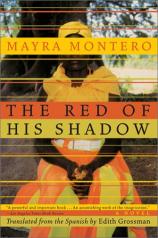
The Red of His Shadow: A Novel


About the Book
The Red of His Shadow: A Novel



In the author's note to her novel, The Red of His Shadow, Mayra Montero describes the life of Haitian sugar cane cutters in the Dominican Republic as one of "untold privation and misery in working conditions patterned after the cruelest slave regimes." It is a life few of us will ever witness firsthand, but one that we gain searing access to in this unforgettable story.
Hunger, death, and terror are daily realities for the "Congos," who constantly are reminded of their powerlessness against nature's brutality and the unpredictable whims of the field owners. Voudon, the religion they brought over from their native Haiti, offers them a way of coping with their plight. The haunting music and chants, the numerous and varied gods, or "loas," their elaborate ceremonies, and the fits and trances that signal possession by these loas are fascinating aspects of Voudon that are often characterized as sinister in literature and film. But this hypnotic novel, which takes place over the festivals of Voudon's Holy Week, personalizes the religion, reveals its mysteries and beauty, and brings into sharp focus the extraordinary courage and faith its practitioners depend on every day just to survive.
Zulé, the novel's young and strong-willed heroine, is an Afro-Caribbean queen disguised as the rag-clad daughter of a cane cutter. Zulé's endurance, her stubbornness, her clairvoyance and self-confidence make her a strong spiritual leader. But she is still a girl, and suffers a girl's passions and uncertainties. When she is forced to choose between confronting Similá, a murderous, rival Voudon priest who is also her ex-lover, or giving in to his cruel dominance, she wavers in her heart, but never in her resolve to do the right thing. Similá's ferocity, corruption and hatred reflect the many repressive forces at work in Haiti and the Dominican Republic, but they are no match for Zulé's dignity and conviction. What finally conquers her is not the power of her enemy, but the jealous love of one of her own people.
Montero's tale is as epic and moving as a Greek tragedy, but it is a story that could only be told amid the poverty and ruin of the Haitian people. By compelling us to look closely at this mysterious religion, by immersing us completely within its culture -- its potent smells, sounds, and surroundings -- Montero leads us toward an understanding of how truly remarkable it is that these people have retained such spiritual strength. Of how an impoverished society manages to treat its leaders as kings and queens, transform its shacks into temples, and find dignity, beauty, and love within the most desperate of conditions.


The Red of His Shadow: A Novel
- Publication Date: July 30, 2002
- Paperback: 176 pages
- Publisher: Harper Perennial
- ISBN-10: 0060952911
- ISBN-13: 9780060952914